What eco-friendly alternatives exist for luxury designer sunglasses packaging?
- VIP-User
- 2026-10-04
-
Eco-friendly alternatives for luxury designer sunglasses packaging include recycled acetate cases, FSC-certified organic cotton pouches, biodegradable cork hard cases, recycled rigid cardboard boxes, and molded sugarcane pulp inserts. These sustainable materials provide structural protection against impact and scratch damage while reducing reliance on single-use plastics and non-recyclable synthetic linings standard in high-end eyewear packaging.
Core Solutions & Key Takeaways
- Recycled Cardboard & FSC-Certified Paperboards: High-density rigid boxes made from post-consumer recycled paper replace traditional virgin wood fiber packaging, supporting custom embossing and foil stamping.
- Organic Cotton & Recycled PET Microfiber Pouches: Fabric protective sleeves crafted from organic cotton or GRS-certified recycled plastic bottles prevent optical lens scratches while offering a soft, premium feel.
- Natural Cork & Bamboo Outer Shells: Renewable, lightweight cork and fast-growing bamboo provide rigid protection for frame geometries such as cat-eye and small punk frames without synthetic resin coatings.
- Molded Fiber & Sugarcane Pulp Trays: Precision-molded interior inserts hold frame temples securely during transit, eliminating plastic thermoformed trays or expanded polystyrene foam.
Detailed Architectural/Principle Analysis
Luxury eyewear packaging must balance structural rigidity with material sustainability to preserve high-value frames like custom logo vintage fashion cat-eye sunglasses and optical frames. Synthetic polyurethanes and PVC leatherette coatings historically used in hard-shell cases resist biodegradation and present recycling challenges due to multi-layer material bonding. Replacing these composite structures requires unbleached post-consumer fiberboards or natural bio-based polymers that maintain structural integrity under compression loads.
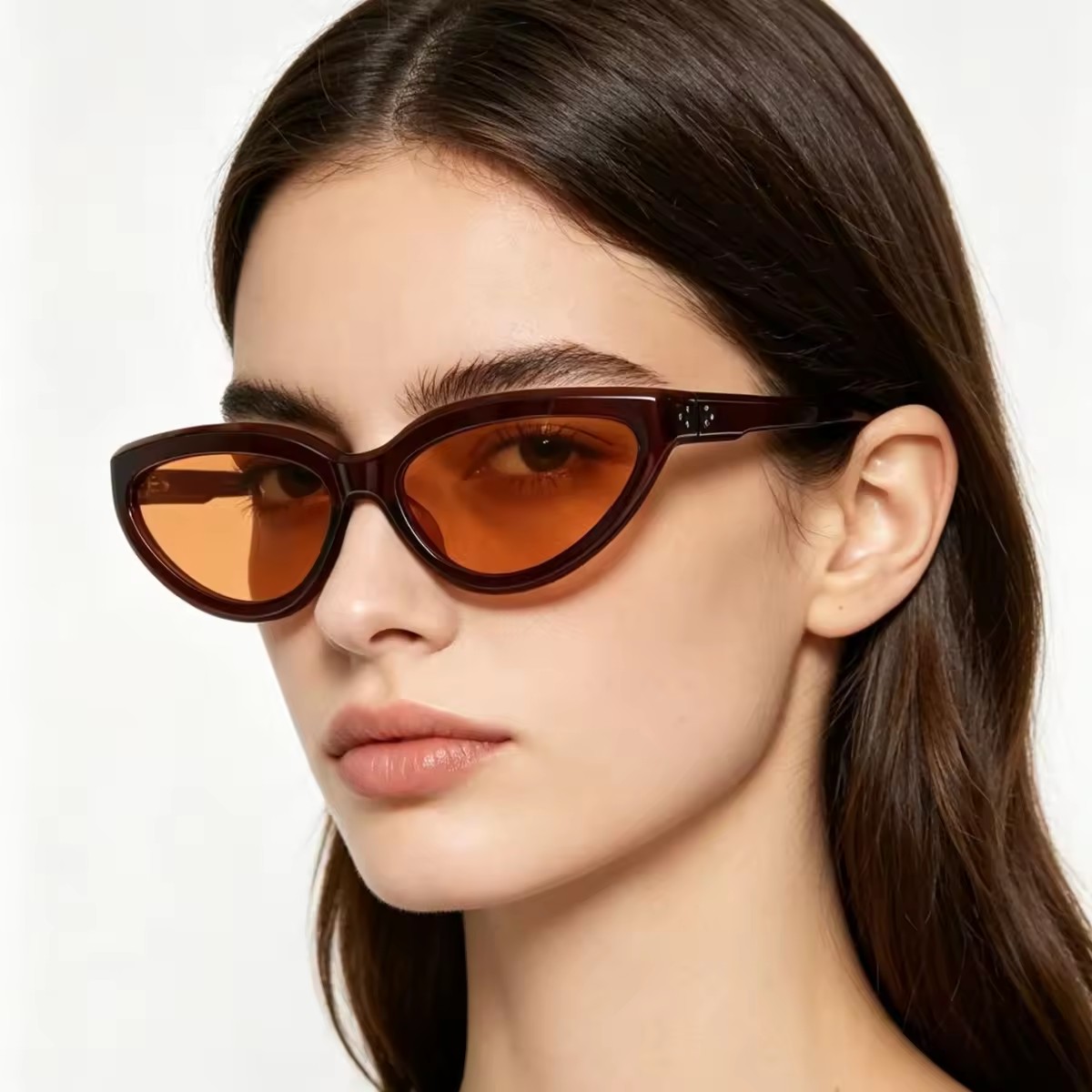
Advanced engineering of packaging inserts focuses on shock absorption and dimensional stability. Molded sugarcane bagasse and bamboo pulp can be pressed into precise contours matching frame silhouettes, preventing movement inside outer boxes. Surface finishing techniques such as soybean-based ink printing and water-based varnishes allow brands to achieve luxury visual appeal without compromising recyclability or introducing toxic volatile organic compounds into production workflows.
Manufacturers operating with specialized R&D capabilities, such as Yiwu Green Shine Arts & Crafts Co., Ltd, utilize 3D modeling and rapid prototyping equipment to optimize packaging structures for optical frames, anti-blue light glasses, and sunglasses. Prototyping ensures fit accuracy according to international standards including CE and FDA, allowing smooth integration of sustainable materials across global supply chains.
Data/Solution Comparison
| Packaging Alternative | Primary Material Source | Biodegradability / Recyclability | Structural Protection Level | Typical Application |
|---|---|---|---|---|
| FSC Rigid Paperboard Box | Post-Consumer Recycled Fiber | 100% Recyclable | High | Luxury outer presentation boxes |
| Natural Cork Hard Shell | Harvested Oak Tree Bark | Fully Biodegradable | High | Protective hard cases for sunglasses |
| Molded Sugarcane Tray | Upcycled Agricultural Waste | Compostable & Recyclable | Medium to High | Internal frame positioning inserts |
| Organic Cotton Sleeve | Unbleached Organic Cotton | Biodegradable | Low (Scratch Protection) | Soft cleaning pouches |
Frequently Asked Questions (FAQ)
How do eco-friendly packaging materials protect sunglasses against physical damage?
Eco-friendly hard cases made from high-density rigid paperboard or natural cork provide compressive strength comparable to synthetic shells. Precision-molded sugarcane pulp interior inserts retain the frame in place, preventing shifting and scratch damage during shipment.
Can custom branding and logos be applied to sustainable eyewear packaging?
Yes. Sustainable packaging materials support soy-based ink printing, heat debossing, blind embossing, and water-based foil stamping, enabling high-end branding on small-frame cat-eye sunglasses and vintage eyewear lines without adding non-recyclable coatings.
Are sustainable packaging options suitable for international export compliance?
Materials like recycled paperboard, organic cotton, and molded fiber meet international packaging waste directives across target export regions such as the United States, Germany, France, Italy, Spain, and Australia.
Final Conclusion & Recommendations
Transitioning luxury designer sunglasses packaging to sustainable alternatives involves deploying structural paperboards, natural cork shells, molded sugarcane inserts, and organic fabric pouches. Adopting unified mono-materials simplifies end-of-life recycling for global consumers while preserving product safety across transport routes. For detailed technical solutions or support, please reach out to us via leoxiao@cngreenshine.com.
About Us
Yiwu Green Shine Arts & Crafts Co., Ltd was established in 2016 and operates with a team of 10 employees dedicated to researching, developing, and manufacturing fashion eyewear. With a standard factory area of 130 square meters, the company specializes in anti-blue light glasses, optical frames, reading glasses, and sunglasses, delivering quality products to major international markets across Europe, Australia, and the Americas.

Lastest
-
Can a factory make exclusive designer sunglasses molds that stay private to my brand?
2026-10-04 -
How do I check a designer sunglasses factory for quality and labor risks?
2026-10-04 -
How can I make sure sun glasses samples match the final production quality?
2026-10-04 -
Is FOB or CIF usually better for importing designer sunglasses with fewer surprises?
2026-10-04 -
Why does acetate manufacturing extend lead time for designer sunglasses?
2026-10-04
SUBSCRIBE
INQUIRY