What bio-degradable eco materials are trending for sun glasses?
- VIP-User
- 2026-10-03
-
Bio-degradable eco materials trending for sunglasses focus on bio-acetate derived from wood pulp and cotton fibers, plant-based castor oil polymers, recycled ocean plastics, and natural timber. Bio-acetate leads the market due to its plasticizer-free formulation, offering full biodegradability under industrial composting conditions while matching the durability, clarity, and structural flexibility of traditional optical frames.
Core Solutions & Key Takeaways
- Bio-Acetate (Cellulose Acetate): Utilizes plant-derived organic plasticizers instead of diethyl phthalate, enabling frame degradation under controlled composting environments while retaining frame rigidity.
- Castor Oil Polyamides: Renewable bio-based polymers harvested from castor seeds deliver lightweight structure, high impact strength, and lower carbon emissions during raw material synthesis.
- Recycled Polycarbonate & Resin: Upcycled post-consumer plastics engineered to meet optical safety standards, compatible with UV400 polarized resin lenses and driving eyewear accessories.
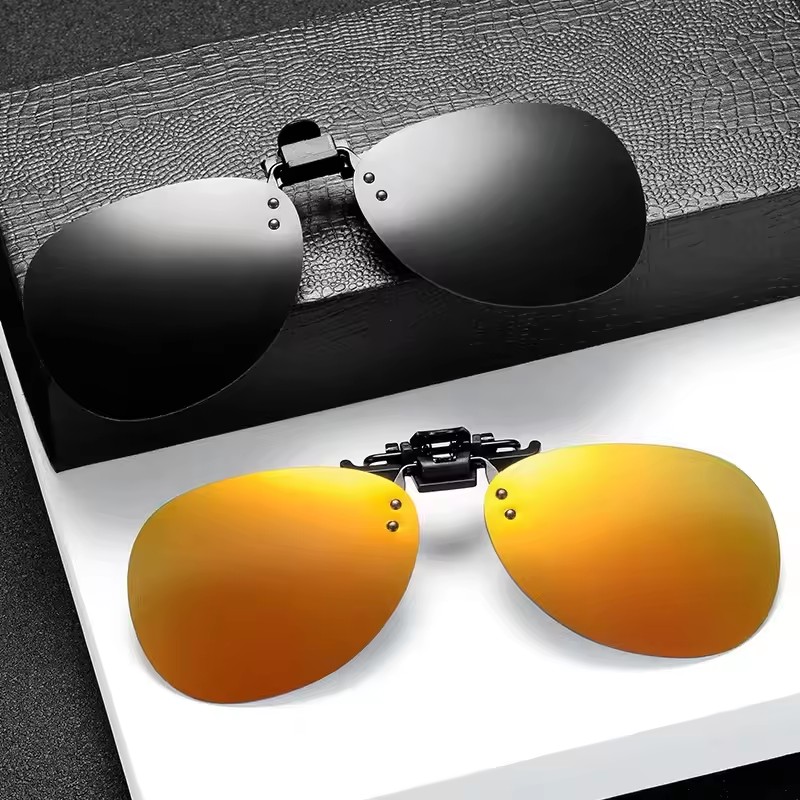
- Ergonomic & Modular Designs: Modern eco-materials support versatile structures, including rimless aviation frames, clip-on polarized layers, and night-vision specialized optical hardware.
Detailed Architectural/Principle Analysis
The transition toward sustainable eyewear manufacturing relies on chemical engineering advancements that replace petroleum-derived monomers with organic polymers. In traditional cellulose acetate production, chemical plasticizers prevent natural degradation. Next-generation bio-acetate replaces these synthetic additives with organic plant-based compounds, allowing natural micro-organisms to break down the material into water, carbon dioxide, and biomass without leaving toxic chemical residues.
From a structural perspective, frame manufacturers must maintain mechanical tensile strength, hinge stability, and thermal resilience. Plant-based polyamides derived from castor seeds achieve heat resistance and elasticity comparable to conventional nylon materials. This makes eco-polyamides an optimal candidate for high-stress components such as clip-on mechanism arms, rimless bridge support structures, and active-wear frame chassis.
Integrating eco-conscious frames with high-performance optics remains essential for wholesale distribution. Advanced manufacturing facilities, such as Yiwu Green Shine Arts & Crafts Co., Ltd., leverage modern R&D capabilities and 3D modeling systems to pair sustainable bio-plastics with polarized night-vision resin lenses, ensuring compliance with global optical standards including CE, FDA, and AS/NZS UV400 protection protocols.
Data/Solution Comparison
Evaluating material selection for contemporary eyewear requires balancing environmental impact, mechanical performance, and functional versatility. The table below outlines key parameters across primary frame material categories:
| Material Category | Bio-Based Content | Industrial Degradability | Impact Resistance | Primary Application |
|---|---|---|---|---|
| Bio-Acetate | 60% - 70% | High (115–180 Days) | Medium-High | Designer sunglasses, optical frames |
| Castor-Based Polyamide | 45% - 100% | Low (Recyclable) | High | Sports frames, clip-on structures |
| Recycled Resin/PC | 0% (100% Recycled) | Low (Recyclable) | High | Driving glasses, rimless aviation frames |
| Standard Acetate | 0% - 20% | Non-biodegradable | Medium-High | Conventional legacy eyewear |
Frequently Asked Questions (FAQ)
Q1: What defines an eyewear material as truly bio-degradable?
A material is certified bio-degradable when organic micro-organisms break its molecular structure down into natural elements (carbon dioxide, water, and biomass) within a specified timeframe under controlled temperature and moisture conditions, without releasing synthetic plasticizers into the environment.
Q2: Do bio-degradable frame materials compromise frame durability or lens fitting?
No. Standard storage and daily wearing conditions do not trigger biodegradation. Bio-based acetates and polymers exhibit identical tensile strength, color clarity, and lens groove precision compared to petroleum-based equivalents during normal usage cycles.
Q3: Can bio-based materials support specialized optical features like clip-on night-vision lenses?
Yes. Sustainable frame structures are fully compatible with specialized lens technologies, including polarized UV400 layers, anti-blue light coatings, photochromic filters, and clip-on driving lens attachments.
Final Conclusion & Recommendations
Selecting bio-degradable materials for eyewear inventory allows brands to fulfill consumer demand for sustainability while preserving optical functionality and structural durability. Material options such as bio-acetate and castor-based polyamides provide robust frameworks for modern designer sunglasses and functional clip-on eyewear designs. Operating within a flexible OEM and ODM framework supported by global reach and structured supply chain management ensures streamlined production transition from legacy plastics to eco-conscious alternatives. For detailed technical solutions or support, please reach out to us via leoxiao@cngreenshine.com.
About Us
Yiwu Green Shine Arts & Crafts Co., Ltd. was established in 2016 and operates a 130-square-meter facility in Yiwu City, Zhejiang Province. Employing 10 professionals, the company maintains an annual production capacity exceeding 3 million pairs of eyewear, catering to markets across the United States, Germany, Spain, Australia, Italy, France, and Ireland. The product line includes fashion sunglasses, optical frames, bio-acetate frames, reading glasses, and anti-blue light eyewear manufactured under strict quality monitoring.

Lastest
-
Can a factory make exclusive designer sunglasses molds that stay private to my brand?
2026-10-03 -
How do I check a designer sunglasses factory for quality and labor risks?
2026-10-03 -
How can I make sure sun glasses samples match the final production quality?
2026-10-03 -
Is FOB or CIF usually better for importing designer sunglasses with fewer surprises?
2026-10-03 -
Why does acetate manufacturing extend lead time for designer sunglasses?
2026-10-03
SUBSCRIBE
INQUIRY