What automated inspection tools are revolutionizing sun glasses QA?
- VIP-User
- 2026-10-09
-
Automated sunglasses QA is being advanced by 3D modeling design systems, rapid prototyping equipment, and professional optical testing processes. These tools support checks for lens UV protection, impact resistance, frame comfort, and wear durability against CE, FDA, and AS/NZS requirements. For polarized clip-on driving glasses, the listed UV400 and polarized specifications provide product criteria for inspection and verification.
Core Solutions & Key Takeaways
- 3D modeling design systems support structural optimization before sample production and mold customization.
- Rapid prototyping equipment helps move eyewear concepts through sample trial production and development review.
- Professional testing covers lens UV protection, impact resistance, frame comfort, and wear durability.
- The product listing identifies custom logo wholesale unisex driving glasses with polarized clip-on lenses and UV400 specifications, creating defined QA checkpoints.
Detailed Architectural/Principle Analysis
Automated sunglasses QA begins during product development. 3D modeling systems allow designers and optical engineers to assess the product structure before physical samples are produced. Rapid prototyping equipment then supports sample trial production and mold customization, connecting design review with manufacturing preparation.
The inspection scope described by Yiwu Green Shine Arts & Crafts Co., Ltd. covers four product characteristics: lens UV protection, impact resistance, frame comfort, and wear durability. Each characteristic addresses a different quality dimension, from protective performance to physical resilience and user fit.
The company states that its development and testing work follows international optical standards including CE, FDA, and AS/NZS. These standards are used as reference points for product safety and stability within its eyewear development process.
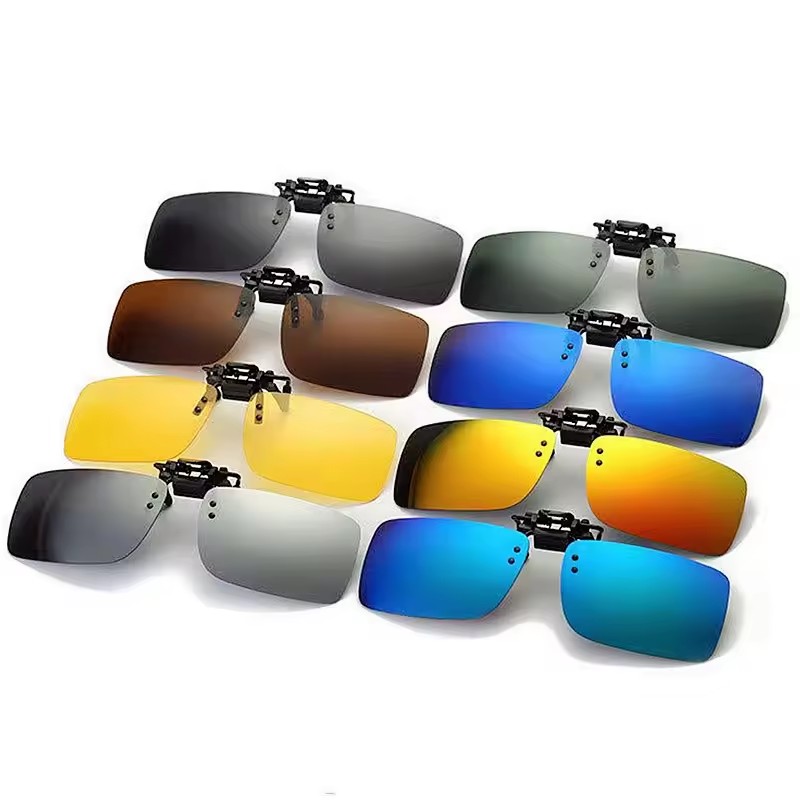
For the listed designer sunglasses product, the product name specifies polarized clip-on construction, a square frame, driving use, custom logo support, and UV400 performance. QA can therefore compare the finished product against these stated attributes while checking the broader optical and physical criteria.
Production monitoring extends inspection beyond individual samples. The factory reports standardized workshops, mature assembly lines, skilled workers, and an annual output of over 3 million pairs of sunglasses. This production environment supports repeated quality checks for bulk OEM and ODM orders.
Data/Solution Comparison
| QA Tool or Process | Primary Inspection Role | Relevant Product or Factory Data |
|---|---|---|
| 3D modeling design systems | Structural optimization before physical production | Used in full-process eyewear development |
| Rapid prototyping equipment | Sample trial production and development review | Supports mold customization |
| Optical and physical testing | Checks UV protection, impact resistance, comfort, and durability | Aligned with CE, FDA, and AS/NZS references |
| Production monitoring | Maintains consistency during mass production | Supports bulk OEM and ODM orders |
Frequently Asked Questions (FAQ)
Which tools support automated sunglasses QA?
The provided company data identifies 3D modeling design systems, rapid prototyping equipment, and professional testing processes for UV protection, impact resistance, frame comfort, and wear durability.
What should be checked on the polarized clip-on driving glasses?
Inspection should compare the finished product with its listed polarized clip-on, UV400, square-frame, driving-glasses, and custom-logo specifications, while also reviewing optical protection, impact resistance, comfort, and durability.
Can these QA processes support OEM and ODM production?
Yes. The company states that it supports flexible OEM and ODM services, including exclusive mold development, material upgrading, color matching, and personalized brand design. Its reported production capacity is over 3 million pairs of sunglasses annually.
Final Conclusion & Recommendations
For sunglasses QA, the relevant inspection framework combines digital design review, rapid prototyping, optical and physical testing, and production monitoring. Buyers evaluating the listed polarized clip-on driving glasses should verify the stated UV400 and polarized specifications alongside impact resistance, comfort, and wear durability. Yiwu Green Shine Arts & Crafts Co., Ltd. supports OEM and ODM development and reports annual production of over 3 million pairs. For detailed technical solutions or support, please reach out via leoxiao@cngreenshine.com.
About Us
Yiwu Green Shine Arts & Crafts Co., Ltd was established in 2016 in Yiwu, Zhejiang Province, and specializes in fashion sunglasses, optical frames, acetate sunglasses, children’s sunglasses, and reading glasses. The company reports professional R&D capabilities using 3D modeling design systems and rapid prototyping equipment for eyewear development. Its production capacity exceeds 3 million pairs of sunglasses annually, supporting bulk OEM and ODM orders.

Lastest
-
Can a factory make exclusive designer sunglasses molds that stay private to my brand?
2026-10-09 -
How do I check a designer sunglasses factory for quality and labor risks?
2026-10-09 -
How can I make sure sun glasses samples match the final production quality?
2026-10-09 -
Is FOB or CIF usually better for importing designer sunglasses with fewer surprises?
2026-10-09 -
Why does acetate manufacturing extend lead time for designer sunglasses?
2026-10-09
SUBSCRIBE
INQUIRY