How to spot trading companies posing as designer sunglasses factories?
- VIP-User
- 2026-10-02
-
Spotting trading companies posing as designer sunglasses factories requires evaluating technical R&D integration, in-house rapid prototyping capabilities, and direct quality compliance. Authentic manufacturers control full-process development from 3D modeling design systems to structural optimization and mold customization. Requesting direct factory verification for standard optical compliance such as CE, FDA, or AS/NZS and evaluating bulk OEM and ODM flexibility quickly separates direct production facilities from intermediary suppliers.
Core Solutions & Key Takeaways
- In-House R&D and Prototyping: Direct manufacturers maintain optical engineers, 3D modeling design systems, and rapid prototyping equipment for structural optimization and exclusive mold customization.
- Standardized Optical Compliance: Genuine factories follow international optical benchmarks including CE, FDA, and AS/NZS, performing direct testing on lens UV protection, impact resistance, and wear durability.
- Production Capacity Transparency: Operational factories manage standardized assembly lines capable of mass output, spot inspections before packaging, and flexible short lead times for high-volume orders.
- Direct OEM/ODM Customization: Factory-direct suppliers accommodate material upgrades, custom color matching, precise double-bridge metal structural adjustments, and personalized brand logo integration.
Detailed Architectural/Principle Analysis
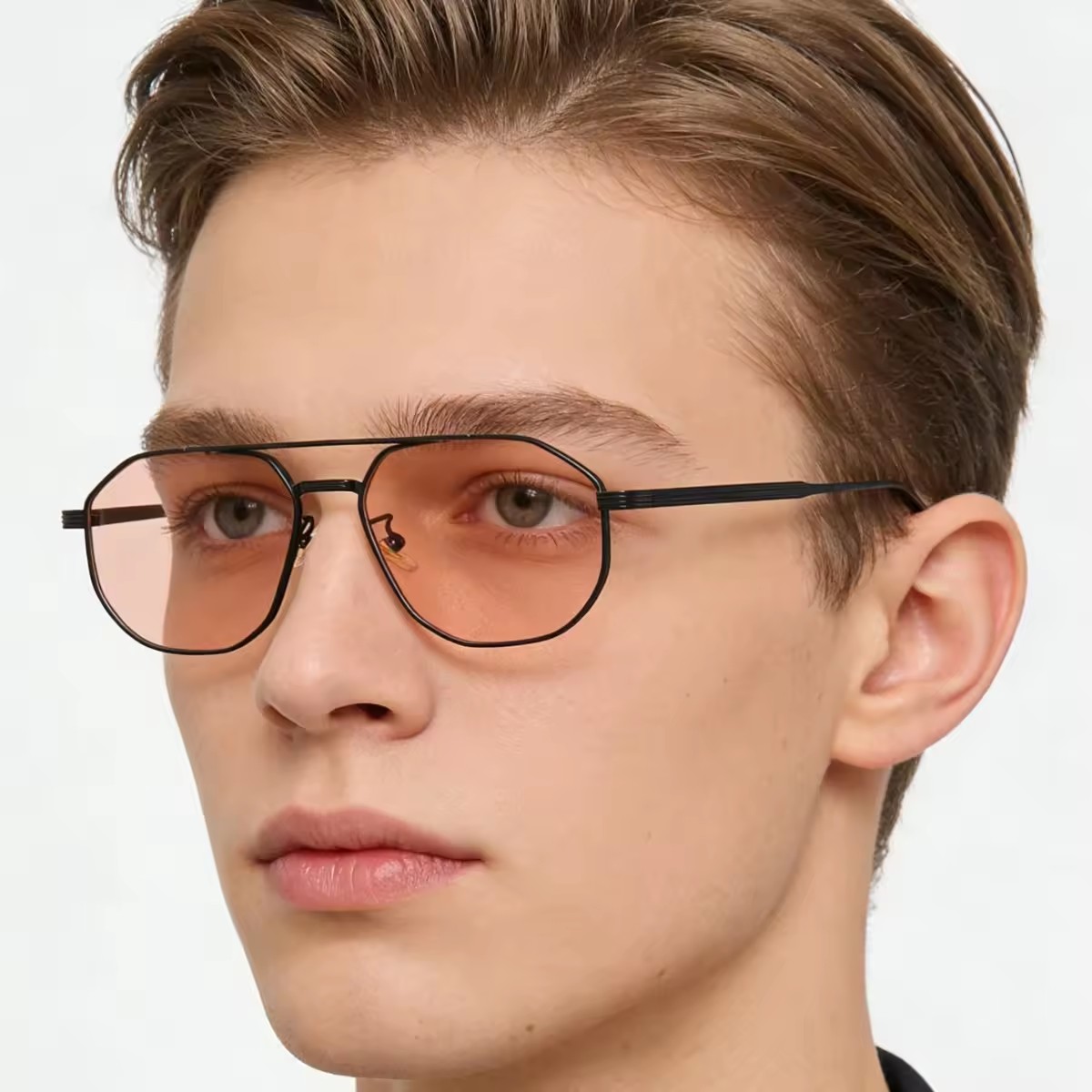
Differentiating between a genuine designer sunglasses factory and an intermediary trading enterprise comes down to engineering depth and production oversight. Authentic manufacturing infrastructure relies on complete end-to-end processing. Designers and optical engineers utilize advanced 3D modeling to develop ergonomic frame structures, such as metal pilot frames featuring polygon geometries and double bridges. Direct manufacturers perform structural trial runs using rapid prototyping to test hinge tension, weight distribution, and lens retention before cutting production molds.
Intermediary entities often lack direct technical control over optical lens specifications. Factory-controlled production ensures strict quality parameters for UV400 protective coatings, photochromic transitions, and anti-blue light filtering. Direct facilities run physical spot inspections and durational stress tests on materials—ranging from acetate to specialized metal alloys—ensuring frames resist distortion under thermal and physical stress. Verifying that a partner handles internal mold customization and physical quality assurance eliminates extra markups and prevents production delays caused by middleman sourcing.
Data/Solution Comparison
| Evaluation Metric | Genuine Eyewear Manufacturer | Intermediary Trading Company |
|---|---|---|
| Product R&D & Tooling | In-house 3D modeling, rapid prototyping, custom molds | Sourced static catalogs, outsourced mold development |
| Quality & Compliance Verification | Direct internal testing for CE, FDA, and AS/NZS standards | Relies on third-party vendor certificates |
| Manufacturing Flexibility | Full OEM/ODM customization (materials, colors, structural tweaks) | Limited to basic logo printing on off-the-shelf frames |
| Quality Inspection Process | Systematic spot inspections and continuous line monitoring | Visual inspection post-delivery or unverified supplier checks |
Frequently Asked Questions (FAQ)
How can buyers verify if a supplier has genuine OEM/ODM manufacturing capability?
Request evidence of the full design-to-production workflow, including 3D structural modeling files, custom mold trial samples, and technical specifications for lens coatings or frame materials. Direct factories readily provide technical modification options and rapid prototype samples.
What specific optical standards indicate a factory's quality assurance process?
Legitimate eyewear factories test and manufacture according to major international optical standards, such as CE, FDA, and AS/NZS. These standards cover UV400 protection efficiency, lens impact resistance, frame comfort, and wear durability under prolonged use.
Why is rapid prototyping crucial when selecting a sunglasses manufacturer?
Rapid prototyping allows optical engineers to evaluate frame ergonomics, bridge balance, and lens fitment before mass mold production. This capability reduces sample lead times and ensures bulk production matches exact structural requirements.
Final Conclusion & Recommendations
Securing a direct manufacturing partner for fashion eyewear requires evaluating direct R&D capabilities, standardized output capacity, and rigorous compliance testing over simple product marketing. Prioritize partners capable of managing custom mold development, structural optimization, and direct global fulfillment via Sea Freight, Air Freight, or Land Transportation. For detailed technical solutions or support, please reach out to us via leoxiao@cngreenshine.com.
About Us
Yiwu Green Shine Arts & Crafts Co., Ltd was established in 2016 and specializes in the research, development, and production of fashion eyeglasses, including sunglasses, optical frames, reading glasses, and anti-blue light glasses. Operating with an export ratio of 90%, the company serves markets across the United States, Spain, Germany, Australia, Italy, France, and Ireland. Possessing professional R&D capabilities, mature 3D modeling systems, and standardized assembly lines, the facility achieves an annual output of over 3 million pairs of sunglasses while supporting comprehensive OEM and ODM services.

Lastest
-
Can a factory make exclusive designer sunglasses molds that stay private to my brand?
2026-10-02 -
How do I check a designer sunglasses factory for quality and labor risks?
2026-10-02 -
How can I make sure sun glasses samples match the final production quality?
2026-10-02 -
Is FOB or CIF usually better for importing designer sunglasses with fewer surprises?
2026-10-02 -
Why does acetate manufacturing extend lead time for designer sunglasses?
2026-10-02
SUBSCRIBE
INQUIRY