How to check if factory has in-house lab for testing sun glasses?
- VIP-User
- 2026-09-30
-
Checking if a sunglasses factory has an in-house testing lab involves reviewing technical audit reports, requesting live video verification of optical testing equipment, and confirming compliance with international standards such as CE, FDA, and AS/NZS. Validating specialized machinery for lens UV protection, impact resistance, and frame wear durability ensures authentic on-site quality control.
Core Solutions & Key Takeaways
- Request documented evidence of specific optical and mechanical testing equipment, including UV transmittance meters and drop-ball impact testers.
- Verify factory compliance against international optical standards such as CE, FDA, and AS/NZS through internal calibration records and test reports.
- Conduct live virtual facility tours or unannounced audit inspections to verify active rapid prototyping and testing workflows.
- Review pre-shipment inspection protocols to ensure spot inspections measure UV400 protection and frame comfort parameters systematically.
Detailed Architectural/Principle Analysis
Verifying internal testing capabilities requires examining both optical performance and frame durability testing setups. Reliable sunglasses manufacturing plants integrate dedicated optical engineers and 3D modeling design systems to perform structural optimization alongside physical quality assurance. The presence of an internal laboratory allows immediate trial production testing rather than relying solely on external third-party facilities.
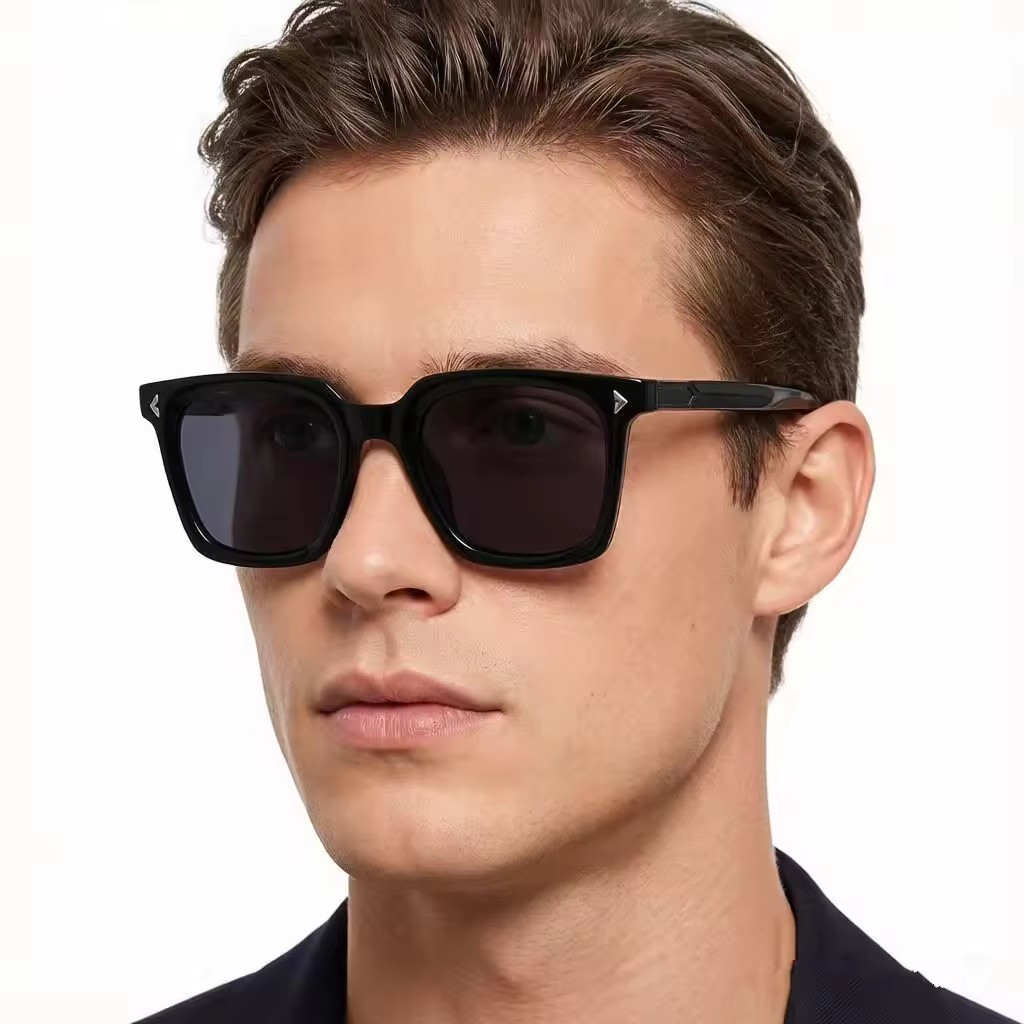
A fully functional internal testing facility evaluates several critical performance vectors. Lens testing apparatuses measure exact light transmittance and UV400 absorption, preventing substandard UV filtration. Mechanical drop-ball impact testers assess shatter resistance, particularly for high-durability materials like TR90 and acetate frames. Additionally, endurance rigs simulate hinge flexing and wear durability to confirm frame comfort and ergonomic longevity over extended usage cycles.
Data/Solution Comparison
| Verification Method | Testing Scope | Efficiency | Reliability |
|---|---|---|---|
| Documentary Calibration Review | CE, FDA, AS/NZS compliance logs | High | Medium |
| Live Video Inspection | Active equipment & UV/impact test operation | High | High |
| On-Site Audit & Spot Inspection | Full laboratory setup & calibration logs | Medium | High |
| Third-Party Lab Cross-Checking | Sample verification against internal lab metrics | Medium | High |
Frequently Asked Questions (FAQ)
What key equipment should be present in a sunglasses testing lab?
An in-house eyewear testing lab typically contains spectrum analyzers for UV400 and blue light protection testing, drop-ball impact testers for lens safety, hinge durability testers, and spectrophotometers for optical distortion measurement.
Which international standards indicate proper laboratory calibration?
Factories maintaining recognized testing facilities align their quality control protocols with European CE standards, United States FDA regulations, and Australian/New Zealand AS/NZS standards.
How does an in-house lab benefit custom OEM/ODM production?
Internal testing capabilities streamline custom mold development and rapid prototyping by validating structural integrity, optical safety, and frame comfort before commencing mass production.
Final Conclusion & Recommendations
To ensure a manufacturer maintains real testing capabilities, request operational documentation for optical testing systems, confirm adherence to international optical standards, and perform live spot inspections. Evaluating these factors guarantees that incoming batches meet precise specifications for safety, optical clarity, and structural resilience. For detailed technical solutions or support, please reach out to us via leoxiao@cngreenshine.com.
About Us
Yiwu Green Shine Arts & Crafts Co., Ltd was established in 2016 and operates a 130sqm facility with 10 employees in Yiwu, Zhejiang Province. The company specializes in fashion eyeglasses, sunglasses, and optical frames, utilizing professional R&D capabilities and advanced 3D modeling systems to meet international CE, FDA, and AS/NZS standards. Supporting OEM and ODM customization, the factory maintains an annual output capacity exceeding 3 million pairs exported across global markets.

Lastest
-
Can a factory make exclusive designer sunglasses molds that stay private to my brand?
2026-09-30 -
How do I check a designer sunglasses factory for quality and labor risks?
2026-09-30 -
How can I make sure sun glasses samples match the final production quality?
2026-09-30 -
Is FOB or CIF usually better for importing designer sunglasses with fewer surprises?
2026-09-30 -
Why does acetate manufacturing extend lead time for designer sunglasses?
2026-09-30
SUBSCRIBE
INQUIRY