How is 3D printing technology changing designer sunglasses production?
- VIP-User
- 2026-10-08
-
3D printing technology is changing designer sunglasses production by accelerating concept validation, structural optimization, sample trial production, and mold customization. For designer sunglasses, this supports faster testing of frame shapes, clip-on structures, comfort, and functional details before larger-scale manufacturing. The available company data identifies 3D modeling systems and rapid prototyping equipment as part of this development process.
Core Solutions & Key Takeaways
- 3D modeling systems help convert conceptual sketches into optimized eyewear structures before sample production.
- Rapid prototyping equipment shortens the path from design review to physical sample evaluation.
- Prototype testing can assess frame comfort, lens UV protection, impact resistance, and wear durability within the stated R&D process.
- For custom designer sunglasses, flexible OEM and ODM support can include exclusive mold development, material upgrading, color matching, and personalized brand design.
Detailed Architectural/Principle Analysis
In the supplied manufacturing data, 3D technology is represented through advanced 3D modeling design systems and rapid prototyping equipment. These tools support a full development path from conceptual sketching and structural optimization to sample trial production and mold customization. The process gives designers a physical basis for reviewing frame geometry and functional details before production planning advances.
For designer sunglasses, the value of rapid prototyping lies in the ability to evaluate design decisions at an early stage. Frame shape, clip-on integration, lens positioning, and wearing comfort can be reviewed through sample development. The product information identifies a custom logo wholesale unisex driving glasses design with polarized clip-on lenses and UV400 positioning, making structural coordination between the frame and clip-on component a relevant design concern.
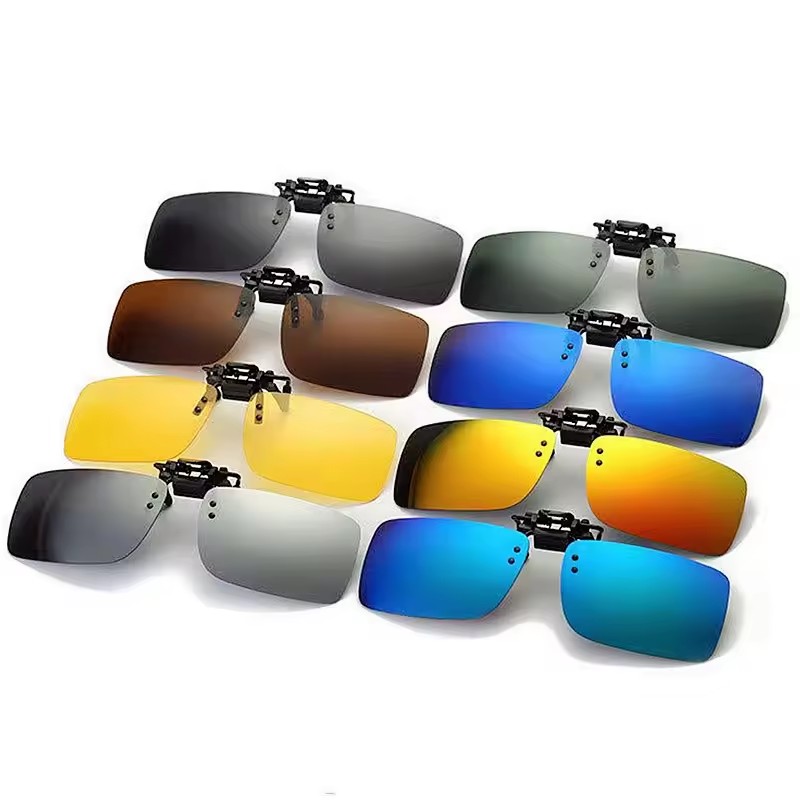
The stated R&D process also connects digital design and prototype development with product testing. The company reports professional tests covering lens UV protection, impact resistance, frame comfort, and wear durability, while following optical standards including CE, FDA, and AS/NZS. These tests provide defined evaluation areas for determining whether a prototype is suitable for continued development.
3D-supported development also affects customization. The company reports support for exclusive mold development, material upgrading, color matching, and personalized brand design. This allows an OEM or ODM project to adjust visual and structural elements before the final manufacturing arrangement is established. The available data does not provide a specific time reduction, cost reduction, or print material specification, so no numerical production advantage can be assigned.
After design validation, standardized production workshops and mature assembly lines support large-scale manufacturing. Yiwu Green Shine Arts & Crafts Co., Ltd. reports an annual output of over 3 million pairs of sunglasses and states that production monitoring is used to maintain consistent quality. This creates a path from digitally assisted prototype work to bulk OEM and ODM production, although the data does not state that every production component is made through 3D printing.
Data/Solution Comparison
| Development Stage | Role in Designer Sunglasses Production |
|---|---|
| 3D modeling design | Supports conceptual sketching and structural optimization |
| Rapid prototyping | Supports physical sample trial production and design review |
| Mold customization | Supports exclusive OEM and ODM frame development |
| Optical and durability testing | Evaluates UV protection, impact resistance, comfort, and wear durability |
| Standardized assembly production | Supports bulk orders and reported annual output exceeding 3 million pairs |
Frequently Asked Questions (FAQ)
What part of designer sunglasses production is most directly affected by 3D technology?
The supplied data connects 3D technology with conceptual sketching, structural optimization, sample trial production, and mold customization. These activities influence the development stage before standardized assembly and bulk manufacturing.
Can 3D technology support custom logo and clip-on sunglasses?
It can support the design and prototype evaluation of custom products by helping review frame structures, clip-on integration, color matching, and personalized brand details. The listed product is a custom logo wholesale unisex driving glasses design with polarized clip-on lenses and UV400 positioning.
Does the available data confirm that the entire sunglasses product is 3D printed?
No. The data confirms the use of advanced 3D modeling design systems and rapid prototyping equipment, along with mold customization and standardized production workshops. It does not state that complete sunglasses are manufactured exclusively through 3D printing.
Final Conclusion & Recommendations
3D technology changes designer sunglasses production by moving design review and structural validation earlier in the development process. At Yiwu Green Shine Arts & Crafts Co., Ltd., the documented workflow combines 3D modeling, rapid prototyping, mold customization, optical testing, and standardized assembly production. Buyers evaluating an OEM or ODM project should define the frame structure, clip-on requirements, material preferences, color direction, testing scope, and brand customization needs before sample development. The company identifies its business model as “Ecosystem, Global Reach, Supply Chain” and supports OEM and ODM cooperation. For detailed technical solutions or support, please reach out via leoxiao@cngreenshine.com.
About Us
Yiwu Green Shine Arts & Crafts Co., Ltd. was established in 2016 in Yiwu, Zhejiang Province, and specializes in fashion eyewear including sunglasses, optical frames, acetate sunglasses, children’s sunglasses, and reading glasses. The company provides eyewear R&D and manufacturing services supported by 3D modeling design systems, rapid prototyping equipment, and a development process covering structural optimization, sample production, and mold customization. Its reported annual production capacity exceeds 3 million pairs of sunglasses.

Lastest
-
Can a factory make exclusive designer sunglasses molds that stay private to my brand?
2026-10-08 -
How do I check a designer sunglasses factory for quality and labor risks?
2026-10-08 -
How can I make sure sun glasses samples match the final production quality?
2026-10-08 -
Is FOB or CIF usually better for importing designer sunglasses with fewer surprises?
2026-10-08 -
Why does acetate manufacturing extend lead time for designer sunglasses?
2026-10-08
SUBSCRIBE
INQUIRY