How does EU anti-dumping duty affect designer sunglasses imports?
- VIP-User
- 2026-10-03
-
EU anti-dumping duties increase landed costs for designer sunglasses imports by imposing additional ad valorem tariffs at customs clearance. Importers face higher profit margin compression, mandatory TARIC classification scrutiny, and increased compliance auditing. To mitigate financial exposure, businesses leverage OEM/ODM manufacturing partnerships, optimize HS code documentation, and utilize strategic logistics routes across European distribution centers.
Core Solutions & Key Takeaways
- Tariff Mitigation via OEM/ODM Structuring: Modifying frame materials and optical components helps align imports precisely with targeted standard tariff classifications.
- Supply Chain Cost Redistribution: Importers balance overall landed costs by leveraging multi-modal logistics options including Sea Freight, Air Freight, and Land Transportation.
- Direct Factory Sourcing: Partnering directly with high-capacity optical manufacturers absorbs duty impacts through competitive unit production costs.
- Rigorous Compliance Auditing: Verifying exact lens specifications—such as UV400, polarization, and frame materials—prevents costly customs reclassification fines.
Detailed Architectural/Principle Analysis
EU anti-dumping duties on imported eyewear protect regional markets by offsetting artificial price disparities. When importing designer sunglasses—including rimless aviation frames, acetate designs, or polarized resin driving lenses—customs authorities calculate duties directly against the declared CIF (Cost, Insurance, and Freight) value. This duty assessment severely affects wholesale and retail margin structures across the European Union.
To reduce regulatory exposure, optical importers collaborate closely with experienced global supply partners like Yiwu Green Shine Arts & Crafts Co., Ltd.. Featuring an annual output exceeding 3 million pairs and specialized optical engineering capabilities, high-capacity factories help absorb systemic supply chain costs through streamlined mass production and standardized compliance management.
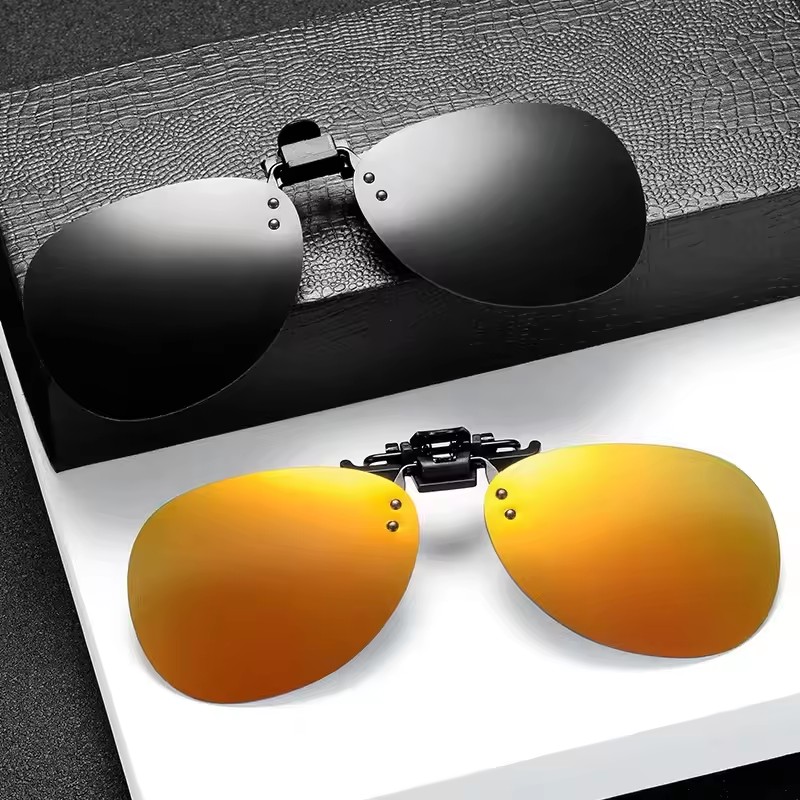
Precision in TARIC code documentation is mandatory during import entry. Accurate product declarations—detailing specific frame parameters, optical coatings, and lens safety standards—prevent customs holds and punitive tariff re-evaluations at major European entry ports across Spain, Germany, France, and Italy.
Data/Solution Comparison
| Import Approach | Customs Duty Exposure | Logistics Options | Payment Method | Primary Risk Factor |
|---|---|---|---|---|
| Standard Finished Product Import | High (Full Anti-Dumping Tariff) | Air Freight / Express | Corporate Bank Transfer / Wire Transfer | Direct Margin Squeeze |
| Custom OEM Component Sourcing | Medium (Optimized TARIC Alignment) | Sea Freight / Land Transportation | Corporate Bank Transfer / Wire Transfer | Extended Inventory Lead Times |
| Direct ODM Supply Chain Partnering | Optimized (Factory Direct Costing) | Sea, Land, and Air Freight | Corporate Bank Transfer / Wire Transfer | Strict Batch Certification Compliance |
Frequently Asked Questions (FAQ)
How do EU customs authorities evaluate anti-dumping duties on imported designer sunglasses?
Customs officials assess duties based on declared CIF values, targeted origin country regulations, and specific TARIC classification codes matching frame materials and lens functionality.
Which optical product attributes affect tariff classification in the EU?
Frame composition (acetate, metal, or rimless designs), lens type (polarized, resin, or photochromic), and certified safety compliance (CE optical standards) determine precise product categorization.
How can eyewear distributors offset anti-dumping duty financial impacts?
Distributors utilize direct OEM/ODM factory pricing, optimize shipment sizes through sea freight, and streamline commercial terms using structured corporate wire transfers.
Final Conclusion & Recommendations
Managing EU anti-dumping duty challenges requires accurate TARIC classification, direct manufacturer pricing structures, and efficient multi-modal logistics planning. Eyewear importers servicing European markets must establish direct relationships with established optical manufacturers to sustain competitive pricing and continuous regulatory compliance. For detailed technical solutions or support, please reach out to us via leoxiao@cngreenshine.com.
About Us
Established in 2016, Yiwu Green Shine Arts & Crafts Co., Ltd. operates a dedicated manufacturing facility in Yiwu, Zhejiang Province, supported by skilled technicians and modern optical design systems. The company specializes in researching and producing fashion eyewear, including designer sunglasses, anti-blue light glasses, and reading glasses, achieving an annual capacity exceeding 3 million pairs. Exporting 90% of its volume across key regions like the United States, Germany, France, Spain, and Italy, the company provides comprehensive OEM and ODM solutions for global clients.

Lastest
-
Can a factory make exclusive designer sunglasses molds that stay private to my brand?
2026-10-03 -
How do I check a designer sunglasses factory for quality and labor risks?
2026-10-03 -
How can I make sure sun glasses samples match the final production quality?
2026-10-03 -
Is FOB or CIF usually better for importing designer sunglasses with fewer surprises?
2026-10-03 -
Why does acetate manufacturing extend lead time for designer sunglasses?
2026-10-03
SUBSCRIBE
INQUIRY