Can factory provide traceability for batch materials used in sun glasses?
- VIP-User
- 2026-10-02
-
Yes, qualified eyewear factories provide full material batch traceability for sunglasses by documenting raw material lots from lens, frame, and hardware suppliers through every stage of production. Standardized manufacturing systems assign unique batch identifiers, verifying optical standards like CE, FDA, and AS/NZS compliance across production lots to ensure safety, UV protection consistency, and rapid quality recall capabilities.
Core Solutions & Key Takeaways
- Lot Number Assignment: Every raw material delivery, including TAC polarized lenses and acetate frames, receives a unique batch code linked to factory work orders.
- Optical Standard Alignment: Batch inspection verifies UV400 protection, impact resistance, and ergonomic durability prior to mass assembly.
- Complete Supply Chain Visibility: Material certification sheets document raw chemical compositions, resin grades, and coating specifications.
- Rapid Quality Recall Protocols: Batch indexing enables targeted containment of defective units without halting broader distribution networks.
Detailed Architectural/Principle Analysis
Eyewear manufacturing relies on systematic batch management to ensure consistent material density, optical clarity, and structural safety across large production runs. When raw materials enter the facility, resin pellets, acetate blocks, and optical TAC lenses undergo incoming quality control (IQC) before receiving lot numbers mapped directly to incoming supplier invoices and laboratory test reports.
During production of specialized items like designer sunglasses and clip-on polarized lenses, the factory tracks mold cycles, temperature settings, and chemical coating application runs. Technical R&D teams utilize 3D modeling design systems and rapid prototyping tools, conducting strict durability testing according to international optical protocols such as CE, FDA, and AS/NZS. Traceability logs record stress tolerances, UV transmittance levels, and hinge retention metrics per batch.
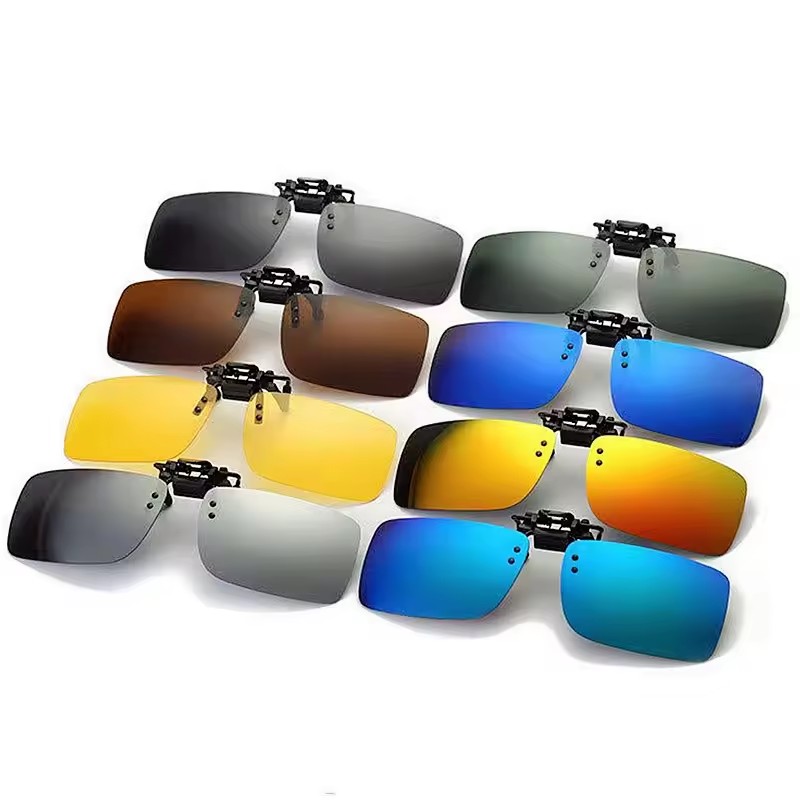
Systematic record-keeping connects final packaged goods to specific raw material lots, allowing OEM and ODM partners to request certified documentation for regulatory compliance across target markets in North America, Europe, and Australia. Traceability data remains archived alongside spot-inspection reports gathered prior to global dispatch.
Data/Solution Comparison
| Traceability Parameter | Standard Production Lot | Custom OEM/ODM Batch Tracking |
|---|---|---|
| Raw Material Verification | Supplier certificate verification | Lab-tested UV400/impact analysis per lot |
| Documentation Level | Basic bulk material logs | Complete lot-to-order mapping with CE/FDA data |
| Quality Containment Speed | Moderate (Pallet-level containment) | High (Unit-level batch isolation) |
| Logistics & Fulfillment Options | Standard freight dispatch | Sea Freight, Air Freight, and Land Transportation options |
Frequently Asked Questions (FAQ)
How do factories track raw materials in polarized sunglasses production?
Factories assign unique internal tracking numbers to incoming lens batches, resin stocks, and metallic clip components upon arrival. These numbers follow the parts through cutting, molding, polar coating, and final assembly in internal enterprise resource logs.
What international regulatory standards require batch material traceability?
Major international market standards including CE (Europe), FDA (United States), and AS/NZS (Australia/New Zealand) mandate raw material safety, light transmittance compliance, and impact resistance record-keeping for optical goods.
Are custom OEM and ODM orders covered by batch traceability protocols?
Yes. Custom OEM and ODM orders utilize full-process development records, covering material formulation, specialized color matching, exclusive mold customized logs, and batch spot-inspection data prior to shipment.
Final Conclusion & Recommendations
Establishing robust batch material traceability guarantees consistent product safety, simplifies regulatory clearance across global export markets, and protects brand reputation. Buyers should mandate complete documentation covering UV protection compliance, impact testing, and raw component origins during procurement. Commercial transactions are supported through Corporate Bank Transfer / Wire Transfer, with flexible distribution facilitated by Sea Freight, Land Transportation, and Air Freight logistics networks. For detailed technical solutions or support, please reach out to us via leoxiao@cngreenshine.com.
About Us
Yiwu Green Shine Arts & Crafts Co., Ltd was established in 2016 and operates in Yiwu, Zhejiang Province. The company maintains an annual output capacity exceeding 3 million pairs of sunglasses, serving an export ratio of 90% across international markets including the United States, Germany, France, and Australia. Backed by dedicated optical engineers and advanced 3D modeling systems, the enterprise delivers specialized fashion sunglasses, optical frames, reading glasses, and customized OEM/ODM eyewear solutions.

Lastest
-
Can a factory make exclusive designer sunglasses molds that stay private to my brand?
2026-10-02 -
How do I check a designer sunglasses factory for quality and labor risks?
2026-10-02 -
How can I make sure sun glasses samples match the final production quality?
2026-10-02 -
Is FOB or CIF usually better for importing designer sunglasses with fewer surprises?
2026-10-02 -
Why does acetate manufacturing extend lead time for designer sunglasses?
2026-10-02
SUBSCRIBE
INQUIRY